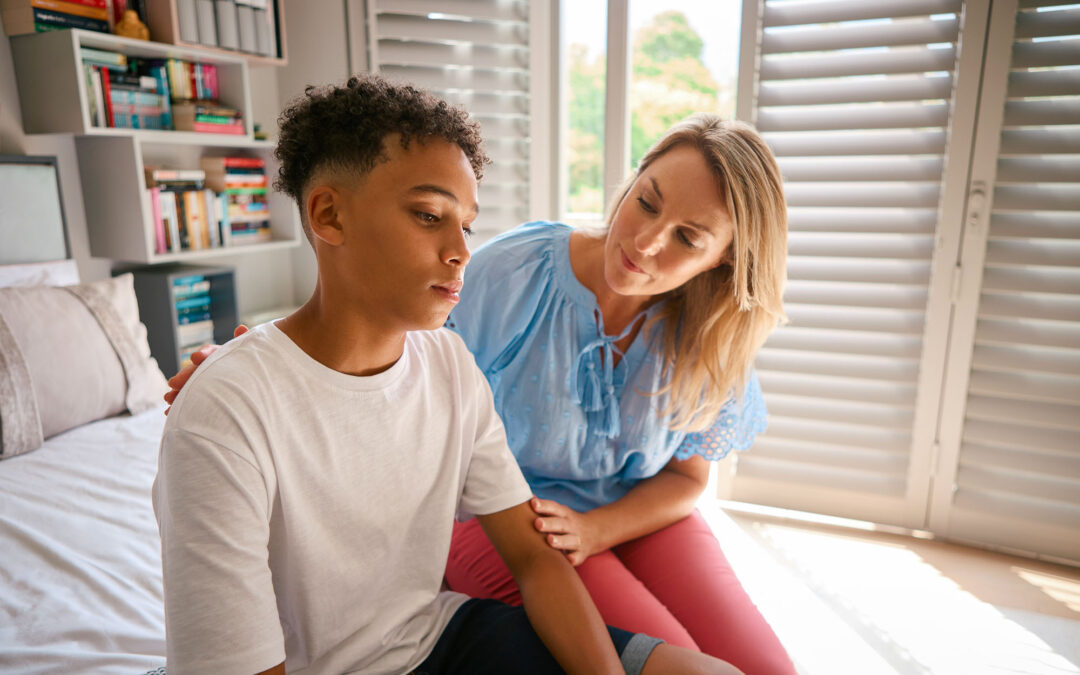
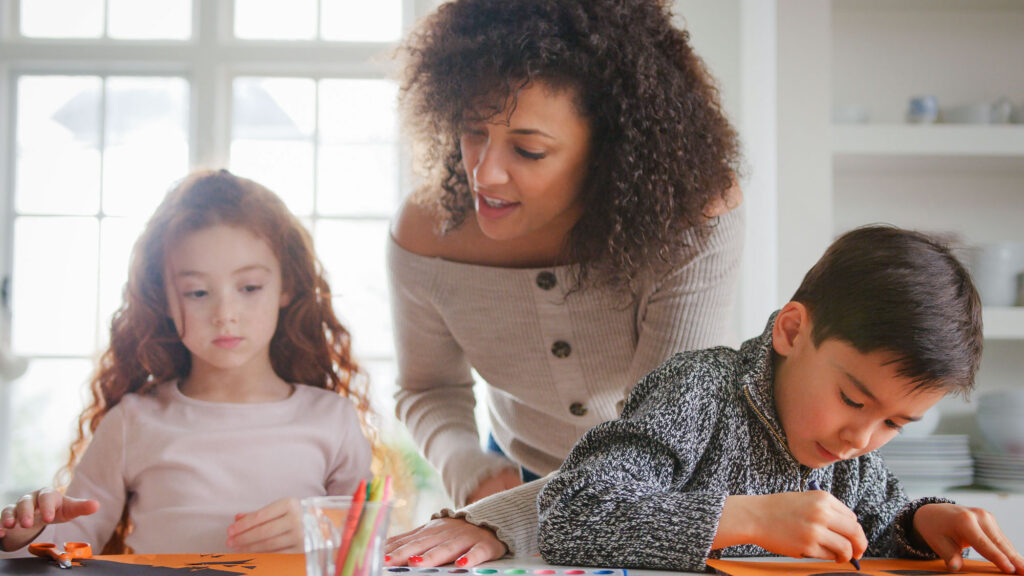
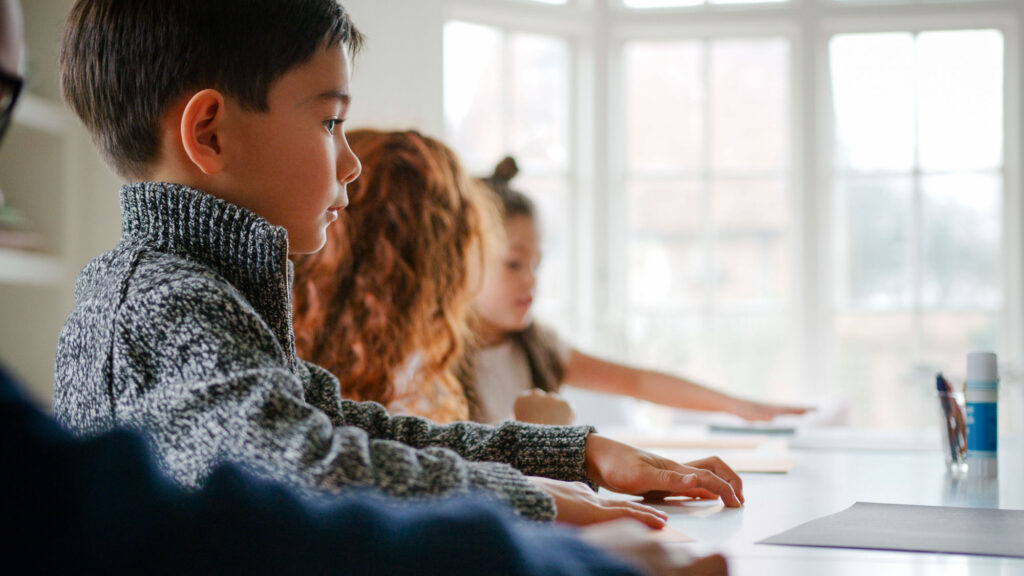
For parents, it can be difficult to know when these feelings are part of typical development and when they may signal that a child could benefit from extra support.
This guide helps families understand common signs of anxiety in children, how anxiety may show up at home and at school, and when it may be helpful to seek guidance or additional care.
Understanding Anxiety in Children
Anxiety is a natural response to stress, change, or uncertainty. In children, anxiety often looks different than it does in adults. Some children talk openly about worries, while others express anxiety through behavior, physical symptoms, or emotional changes.
Anxiety alone does not indicate a concern. When it begins to interfere with daily life, learning, relationships, or overall well-being, families may consider additional support.
According to the National Institute of Mental Health (NIMH), anxiety disorders are among the most common mental health concerns in children, and early support can make a meaningful difference.
Common Signs of Anxiety Parents May Notice
Anxiety can show up in many ways, and no two children experience it the same way. Parents may notice a combination of emotional, physical, and behavioral signs.
Emotional Signs
- Frequent worries or fears
- Difficulty tolerating uncertainty
- Increased irritability or emotional sensitivity
- Fear of making mistakes
Physical Signs
- Stomachaches or headaches without a clear medical cause
- Changes in appetite
- Trouble sleeping or frequent nightmares
- Fatigue
Behavioral Signs
- Avoidance of school, activities, or social situations
- Increased clinginess
- Perfectionism
- Difficulty separating from caregivers
Younger children may not have the language to explain what they are feeling. Instead, anxiety may appear as resistance, shutdowns, or emotional outbursts.
How Anxiety May Look Different at Home and at School
Many parents are surprised to learn that anxiety can look different depending on the environment.
At Home
Parents may notice:
- Emotional meltdowns after school
- Resistance to homework or routines
- Increased reassurance-seeking
- Difficulty calming down
At School
Teachers may observe:
- Quiet withdrawal
- Avoidance of participation
- Frequent trips to the nurse
- Difficulty concentrating
Some children hold anxiety in during the school day and release it at home. Others struggle more visibly in structured settings. Both patterns are common.
When Anxiety Starts to Interfere With Daily Life
Anxiety may be a sign that additional support could help when it:
- Interferes with learning or school attendance
- Impacts friendships or social development
- Disrupts sleep or eating
- Causes ongoing distress for the child or family
Parents do not need to wait until anxiety feels severe to seek guidance. Early conversations and support can help children build coping skills and confidence over time.
What Can Contribute to Anxiety in Children?
Anxiety can be influenced by many factors, including:
- Developmental transitions
- Academic or social pressure
- Changes in routine
- Family stressors
- Sensory sensitivities
- Past experiences
For some children, anxiety is situational. For others, it may be more persistent. Understanding possible contributors can help families identify supportive strategies.
First Steps Parents Can Take
Parents often feel unsure where to begin. There is no single right path.
Start With Supportive Conversations
- Talk with your child using calm, simple language
- Acknowledge feelings without immediately trying to solve everything
Loop in Trusted Adults
- Pediatricians can help rule out medical concerns
- Teachers can share what they notice at school
Explore Support Options
- Therapy can help children learn coping strategies
- School accommodations may reduce stressors
Seeking support does not mean parents have failed. It means they are responding thoughtfully to their child’s needs.
Types of Support That May Help
Support looks different for every child.
Therapy
Approaches may include:
- Play-based therapy
- Cognitive Behavioral Therapy (CBT)
- Family-based support
School Supports
Schools may offer:
- Check-ins with counselors
- Classroom accommodations
- 504 plans or IEP supports when appropriate
Support at Home
Parents may focus on:
- Predictable routines
- Gradual exposure to challenges
- Encouraging coping strategies
Common Questions Parents Have
Is anxiety something children grow out of?
Some children do, while others benefit from learning tools and strategies. Both experiences are common.
Am I making anxiety worse by worrying?
Parents do not cause anxiety by caring. Supportive responses help children feel safe.
Do we need to act right away?
Families can move at a pace that feels right. Seeking information does not require immediate decisions.
What Supporting Anxiety Is — and Is Not
Supporting anxiety is:
- About understanding and reassurance
- About building coping skills over time
- About collaboration between families, schools, and providers
Supporting anxiety is not:
- About eliminating all stress
- About labeling or blaming
- About expecting quick fixes
Key Takeaways for Families
- Anxiety is common in children
- Signs may be emotional, physical, or behavioral
- Anxiety can look different at home and school
- Support can help children feel more confident
- Parents do not have to navigate this alone
Moving Forward With Clarity and Support
Recognizing anxiety is often the first step toward helping a child feel supported and understood. With the right guidance, children can develop skills that help them manage worry and build resilience over time.
As FindCare4Kids continues to grow, we are building trusted educational resources and a verified directory to help families find the right support for autism, neurodivergent development, and youth mental health.